

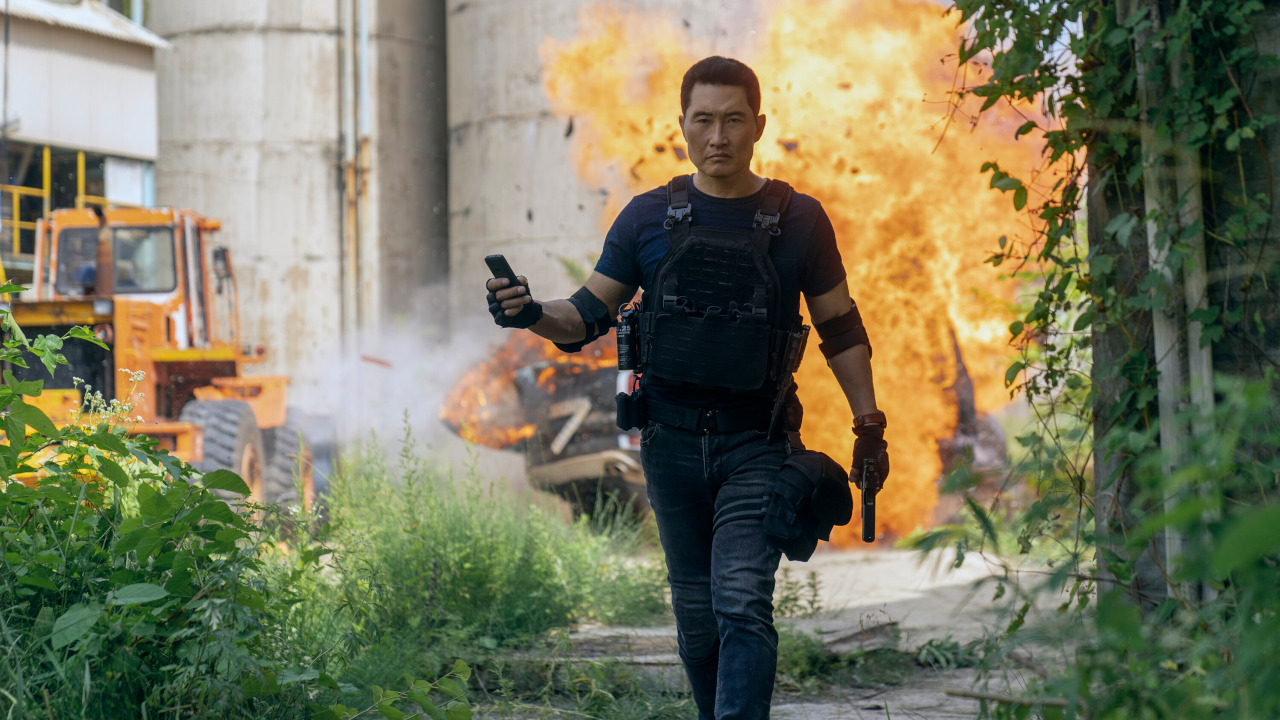
In Butterfly, the shadows of espionage conceal wounds far deeper than bullets or betrayals, as a father and daughter find themselves on opposite ends of a deadly mission neither can abandon.
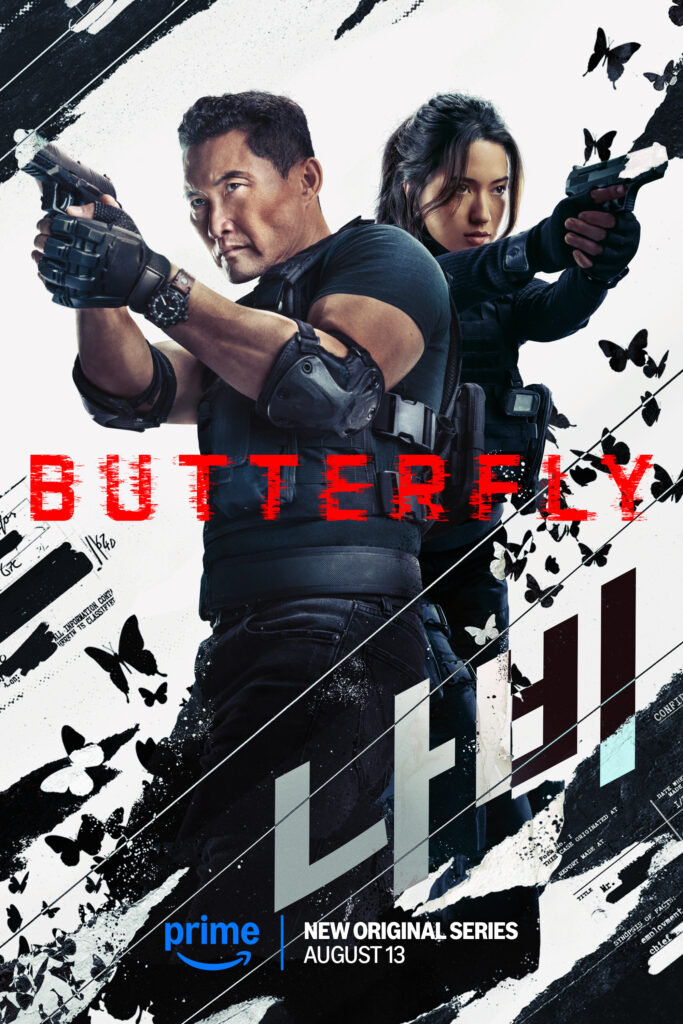
From its opening moments, Butterfly hooks you with its blend of intimate drama and high-octane spycraft. Daniel Dae Kim takes center stage as David Jung, a former U.S. intelligence operative who has traded in the chaos of covert operations for a quiet, anonymous life in South Korea. But peace is fragile in the world of spies, and David’s life is violently upended when the consequences of a life-or-death decision from his past come back to claim him. This reckoning arrives in the form of Rebecca (Reina Hardesty), a young, highly trained assassin whose mission is as personal as it is professional. Behind her is Caddis, a shadowy espionage organization with its own murky agenda.
Adapted from the 2015 BOOM! Studios graphic novel by Arash Amel, Marguerite Bennett, and Antonio Fuso, Butterfly remains faithful to the core of the source material while making calculated changes to fit the rhythm of a six-episode streaming series. The show captures the essence of the book—its themes of regret, fractured loyalties, and the impossible moral choices that define the spy world—while layering in more character development and cultural specificity. The South Korean setting isn’t just window dressing; it becomes a textured backdrop that shapes the story’s mood, with a mix of neon-lit cityscapes, back-alley tension, and sleek interiors that reflect the show’s noir sensibilities.
The casting is one of Butterfly’s strongest assets. Kim commands the screen with a layered performance that shows both the steel of a trained operative and the vulnerability of a man haunted by his past. His range is on full display—he can shift from explosive bursts of action to quiet, devastating moments of emotional clarity in a heartbeat. Hardesty, perhaps less familiar to audiences, emerges as a standout. She plays Rebecca with a controlled intensity that makes her more than just a one-note “deadly assassin.” There’s depth and conflict in her eyes, even when her actions are precise and brutal. Piper Perabo as Juno and Louis Landau as Oliver Barnes round out the supporting cast with performances that add texture and intrigue, each hinting at hidden motivations that keep you guessing.
In terms of pacing, Butterfly strikes a careful balance. It’s fast enough to keep you on the edge of your seat but still allows for moments of stillness where the emotional weight lands. The action sequences are stylish and tense, though they occasionally fall into the quick-cut, hyper-edited style common in modern fight choreography. While these edits keep the energy high, they sometimes sacrifice the clarity and impact of the hand-to-hand combat. For viewers who appreciate the precision of a long, fluid fight take, these rapid cuts may feel like a missed opportunity.
Where Butterfly truly excels is in the way it intertwines personal stakes with the mechanics of espionage. This isn’t a spy thriller where the characters serve only as vehicles for plot twists—here, the plot is driven by the characters’ emotional journeys. David’s past choices ripple forward, shaping every move he makes, while Rebecca’s pursuit is laced with personal history, making their confrontations as emotionally charged as they are dangerous.
Thematically, the series explores questions of identity, loyalty, and the cost of survival in a morally grey world. Every alliance is tentative, every truth suspect. The father-daughter dynamic at its core elevates the tension beyond standard spy-versus-spy fare—this is a battle where winning might mean losing something far more important.
Visually, Butterfly benefits from strong production design and cinematography that blends the grit of street-level espionage with the gloss of high-level intelligence work. South Korea’s urban landscape becomes a character in its own right, from the flickering signs of backstreet hideouts to the glass-and-steel towers of corporate front operations.
By the time the credits roll on the final episode, Butterfly leaves you with the sense that you’ve watched something more than just a standard espionage drama. It’s about the messy, painful ties that bind us, the ghosts of our choices, and the thin line between love and betrayal in a world where trust can get you killed. The pace is so relentless that the six episodes fly by, almost begging for a second viewing to catch every subtle exchange and hidden clue.
Despite some minor quibbles with fight-scene editing, Butterfly stands out as an engrossing, character-driven spy thriller with a beating heart. Daniel Dae Kim delivers some of his finest work to date, and Reina Hardesty proves she’s a name to watch. For fans of espionage with substance, this is a must-watch.
Butterfly premieres with all six episodes dropping on Prime Video Wednesday, August 13th—and once you hit play, you may not stop until you’ve seen them all.
 Brian Isaacs - Executive Editor / Publisher