
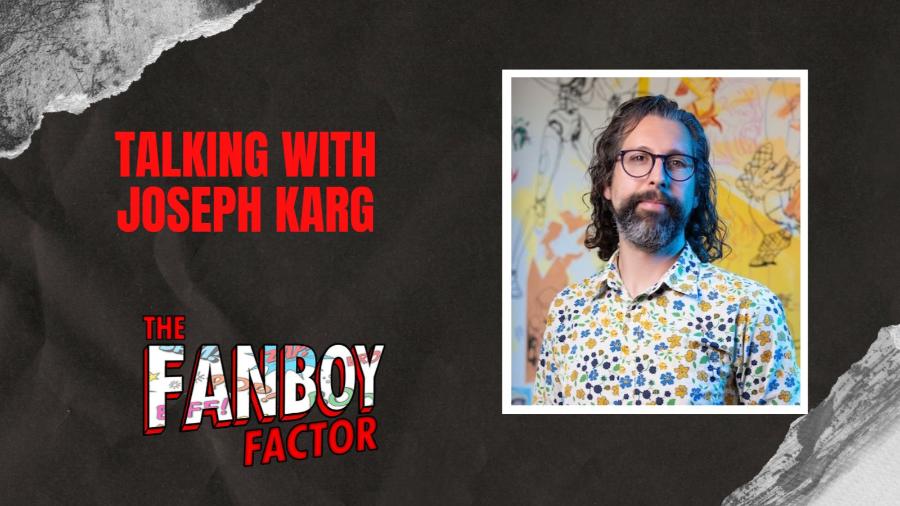
Joseph Karg is an illustrator, educator, and founder of the boutique imprint Soup Drunk Princess, known for championing experimentation and creative independence. His latest project, I FEEL DOOMED: A Comics Anthology About Surviving the End (Again), is currently funding on Kickstarter and brings together established voices and emerging talent to explore anxiety, survival, and resilience in uncertain times. In this interview, Anthony Andujar Jr. speaks with Karg about the power of comics, mentoring the next generation of creators, and why building your own infrastructure matters now more than ever.
Joseph Karg I FEEL DOOMED interview by Anthony Andujar Jr 2/19/26
Interviewee: Joseph Karg
Interviewer: Anthony Andujar Jr
1. What started you down the path into the comic book medium? What is it about the wellspring of the comic book medium that makes it special in contrast with other media?
JK: This is always a difficult question for me to answer because I don’t think comics are “better” than other media. They’re just different in a way that feels uniquely suited to how my brain works. Novels can burrow deep into interiority. Paintings can arrest you in a single, wordless moment. Film controls time with precision. Comics, though, hybridize these impulses. They combine image and text, but more importantly, they create meaning in the space between images. The reader controls the pace. The silence between panels becomes active. Time can stretch, collapse, or fracture across a page.
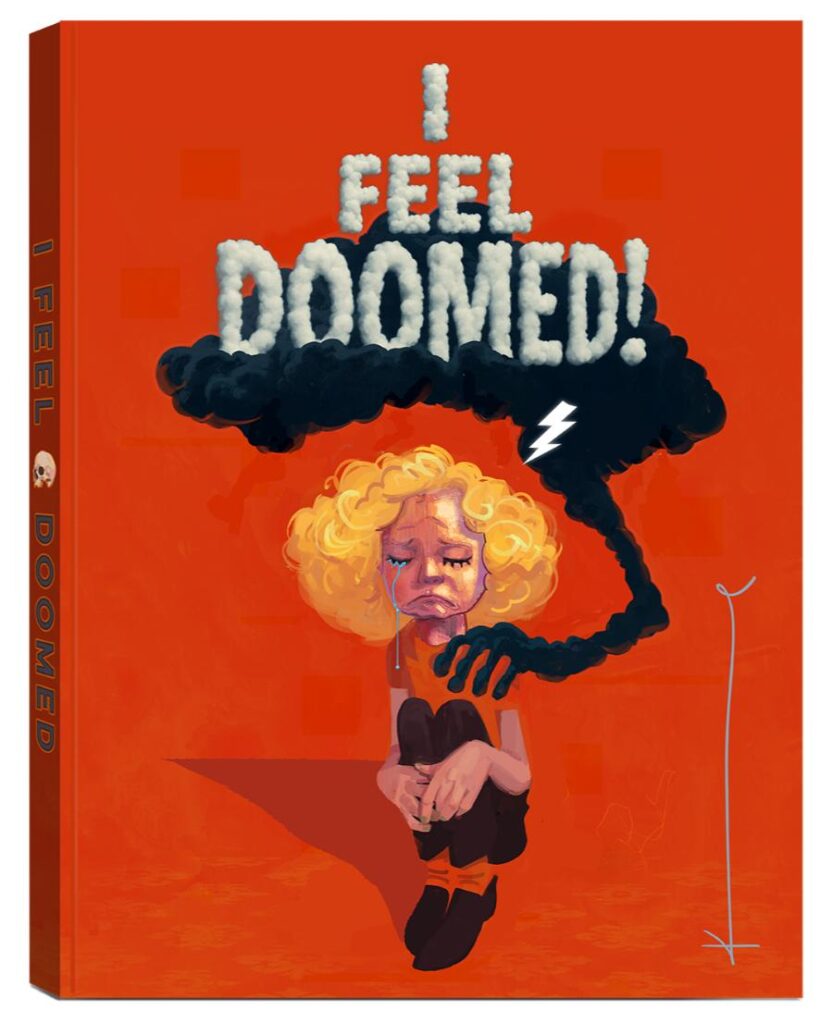
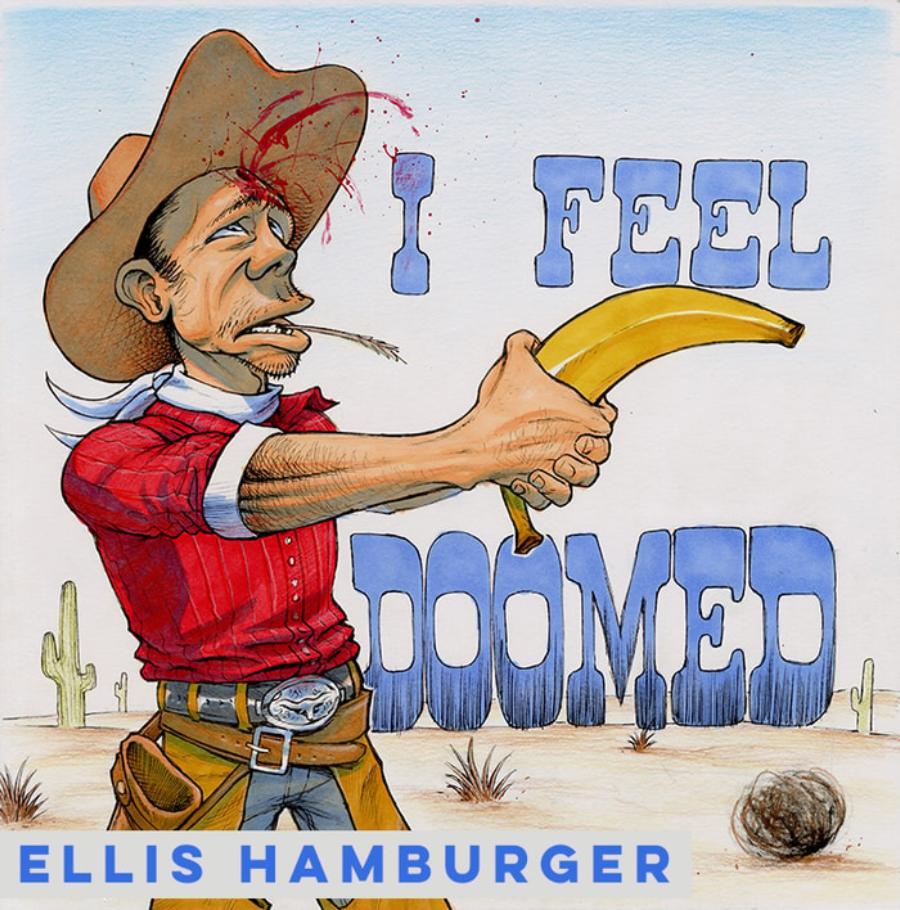
2. You currently have an anthology being funded and soon to be released on Kickstarter titled I FEEL DOOMED: A Comics Anthology About Surviving the End (Again). You’re curating this project, which features a variety of different creators from various media of creativity. You have Stephan Franck (The Iron Giant), Claudio Acciari (The Prince of Egypt), Rustam Hasanov (House of Dragon), and Danielle Corsetto (Girls With Slingshots). Thats only a few names amongst a handful of creators that are indie and established. What sparked the creation of this anthology, and how did life impact the creation and curation of this project?
JK: As I get older, my taste keeps narrowing and expanding at the same time. I walk into comic shops now and often feel like I’m looking for something that doesn’t quite exist. Not because the work isn’t good — there’s extraordinary talent everywhere — but because I’m craving odder conversations. The simple answer is that I wanted to curate the book I haven’t been able to find on the shelves. A weirder collection of ideas.
3. What is it about anthologies that you tend to enjoy? What are some of your favorite anthologies? And are there any anthologies that you’re an admirer of that catalyzed for I FEEL DOOMED?
JK: I love anthologies because they’re pressure cookers and playgrounds at the same time. Short stories give you access to creators who may not have the bandwidth or the desire to commit to something long-form. You get a distilled vision. Sometimes, the most dangerous or experimental work an artist can make happens in 8–16 pages because less is at stake. The risk is smaller, and the freedom is larger. Anthologies also feel democratic to me. They’re conversations rather than monologues. You get tonal whiplash, aesthetic collisions, and generational contrasts. That friction is the point. As for favorites, I mean, the ultimate anthology is probably The Bible. Talk about a rollercoaster. HAHAHAHA
4. You’re not only an Illustrator, but you’re also an art professor. What is it that you’ve witnessed during your duration of teaching and working with students that impacted I FEEL DOOMED? What kind of conversations struck you that inspired the various subject matter that you curated for this project that reflect the anxieties, fears, and hopes that students and everyday people are currently facing?
JK: I’ve never worked with a generation of artists more talented or more anxious. The pace of change they’re facing is disorienting. They came of age during COVID. They’re stepping into a market that feels unstable. Entry-level creative jobs are shifting or disappearing. AI is rewriting expectations in real time. And they’re trying to build identities and careers inside that volatility. If this book gives even a handful of young artists a visible beginning, that feels like a meaningful counterweight to the doom they’re facing.
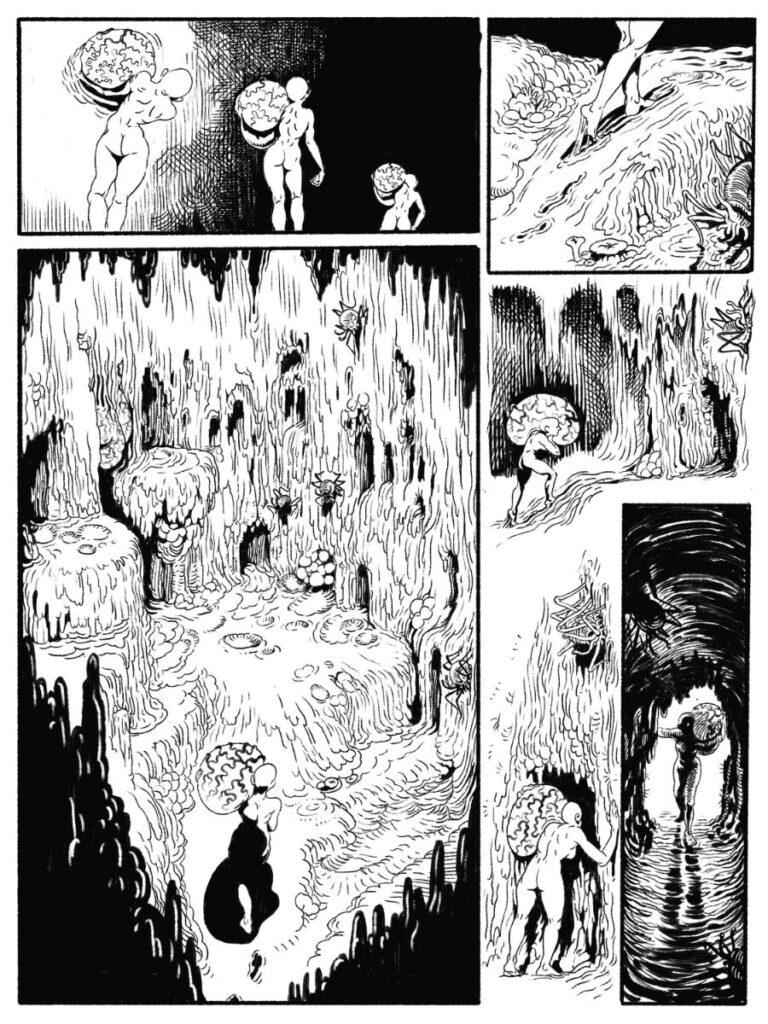
5. The beauty of an anthology is the vast kind of talent that a curator can spotlight. While you may have some established industry talent on this project, you also have up-and- comers and students who’ve contributed to this project. What was the process like working with new creators and guiding them through their creative journeys to craft the kind of story that suited this anthology?
JK: It really was a kind of creative battle royale, but in the best sense. For nine months leading up to launch, we met once a month. I’d hold court, and we treated it like a comic intensive. Pitches were interrogated. Scripts were revised. Layouts were dissected. We’d do show-and-tell, talk about narrative structure, pacing, theme, and clarity. Sometimes I’d lecture. Sometimes we’d workshop. Sometimes we’d just wrestle with the same problem from six different angles. It was super fun.
6. Like many aspects of creation and storytelling, there were several lessons and challenges involved in composing this project. Currently, I FEEL DOOMED on Kickstarter. What makes Kickstarter the most suitable crowdfunding platform for I FEEL DOOMEDto receive the support needed for its release, compared to other platforms?
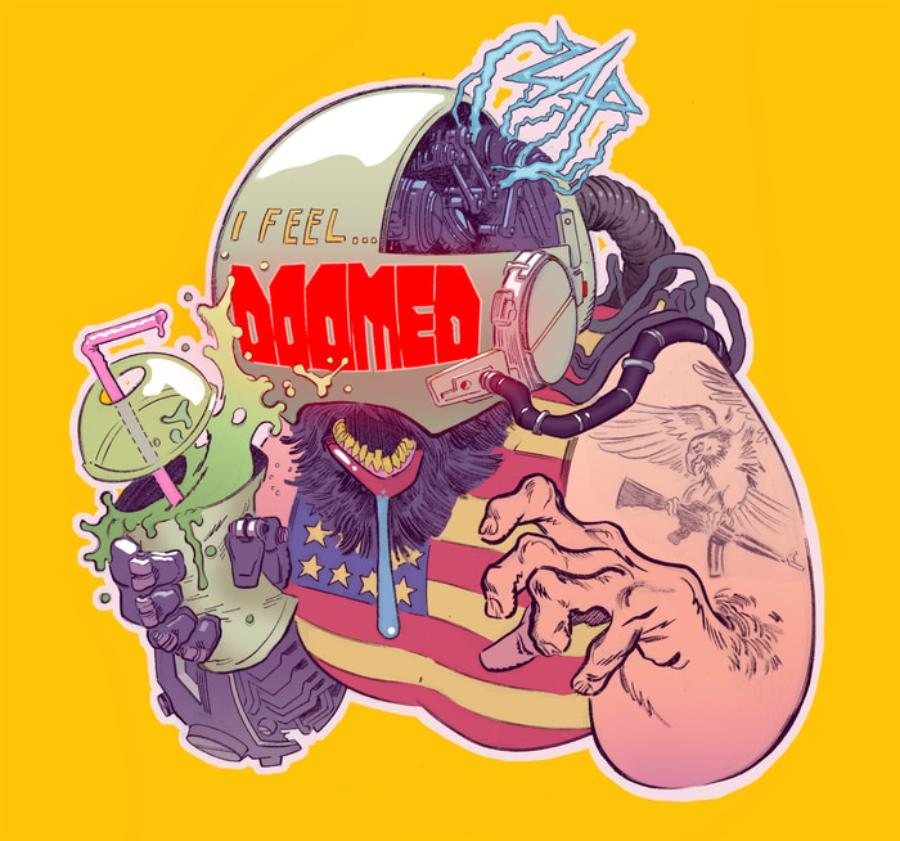
JK: When I started my boutique imprint, Soup Drunk Princess, the primary goal was creative sovereignty. Kickstarter aligns with that. It allows you to speak directly to your audience without asking for permission from gatekeepers. You present the work as you envision it. You define the format. You control the production values. You build the relationship. For a book like I Feel Doomed, that feels important. The platform itself mirrors the philosophy of the project: if the future is unstable, build your own infrastructure. Crowdfunding also creates accountability and intimacy. The people backing the book aren’t abstract consumers; they’re participants. They’re choosing to exist inside this ecosystem. Right now, Soup Drunk Princess is small. But in comics, scale isn’t everything. If you can cultivate 1,000–1,500 returning supporters who trust your taste and your execution, that’s real leverage. That’s sustainability. That’s independence.
7. Will there be other anthologies that you plan to curate? If so, what would you hope to explore in light of recent events in the world?
JK: Yes. I’m currently mapping out what I’m calling the I Feel Trilogy. I Feel Doomed is the first entry, and it’s a meditation on anxiety and survival in cyclical collapse. The next book will be I Feel Spooned. It will be a collection of love stories. Not sentimental romance, but love under pressure. Love as resistance. The third book is still forming, but the larger idea behind the trilogy is emotional mapping. I’m interested in anthologies that feel like psychological states.
8. Where can readers follow your work and the project?
JK: You can find me on Instagram @josephkarg and the project @i_feel_doomed.
 Dan Kleiner